
DIFFERENCES BETWEEN TISANES AND TEA
A tisane is an infusion made from plants other than Camellia sinensis, the plant that gives us tea. It does far more than warm you: each tisane has properties of its own depending on the plant used, from calming to digestive, antioxidant or energising.
That is why, when you say you are drinking "chamomile tea" or "lemon verbena tea", you are in fact drinking a tisane. The word "tea" became colloquial for any infusion, but the distinction is simple once you know the origin.
TISANES
Origin: prepared from the leaves, flowers, fruits, seeds or roots of countless plants, each with its own properties and flavour.
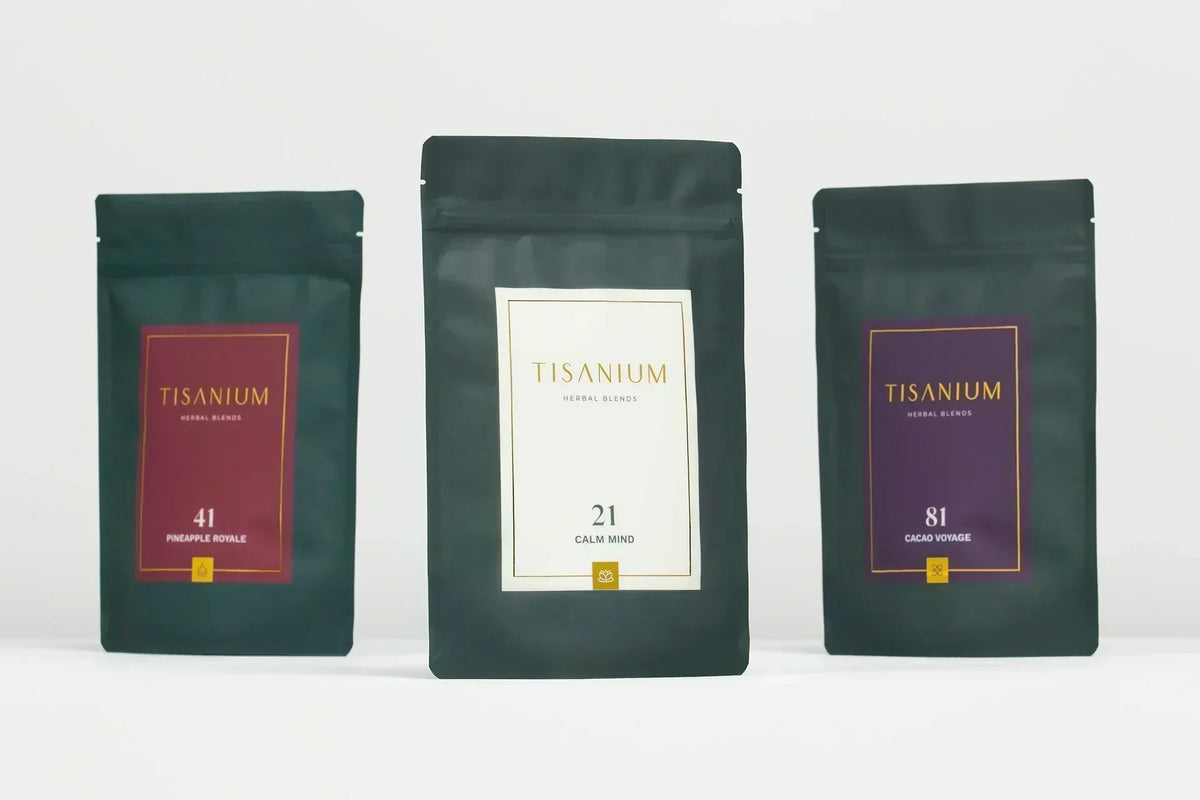
Production process: the plants are harvested and dried and, in some cases, cut or ground. At TISANIUM we never grind our plants, we always use whole leaf. Some tisanes are also roasted or fermented, to bring out flavour and aroma. All our plants come from certified organic farming, which is confirmed by the Euro-leaf seal.
Theine: the vast majority of tisanes contain no theine, or only minimal amounts. There are exceptions, such as yerba mate. We will soon dedicate an article to this subject alone.
Benefits: they vary with the plant used, among them calming, digestive, antioxidant or energising. Discover our whole tisane collection.

TYPES OF TISANE
Tisanes are classified by the part of the plant used, and that directly shapes flavour and properties:
- Leaf: mint, lemon verbena, lemon balm
- Flower: chamomile, hibiscus, lavender
- Fruit: rosehip, pineapple
- Root: ginger, turmeric
- Seed: aniseed, cardamom
A good tisane combines several of these parts to build layers of flavour, not simply one ground plant. The less processed the parts, the more quality the tisane has and the more benefits it brings to your health. At TISANIUM we work with the parts in their original state whenever possible (visible in the whole leaves), and we work with a higher percentage of leaf than most of our competitors, because it is in the leaves that most of the bioactive compounds for health are found.
HOW TO PREPARE A TISANE
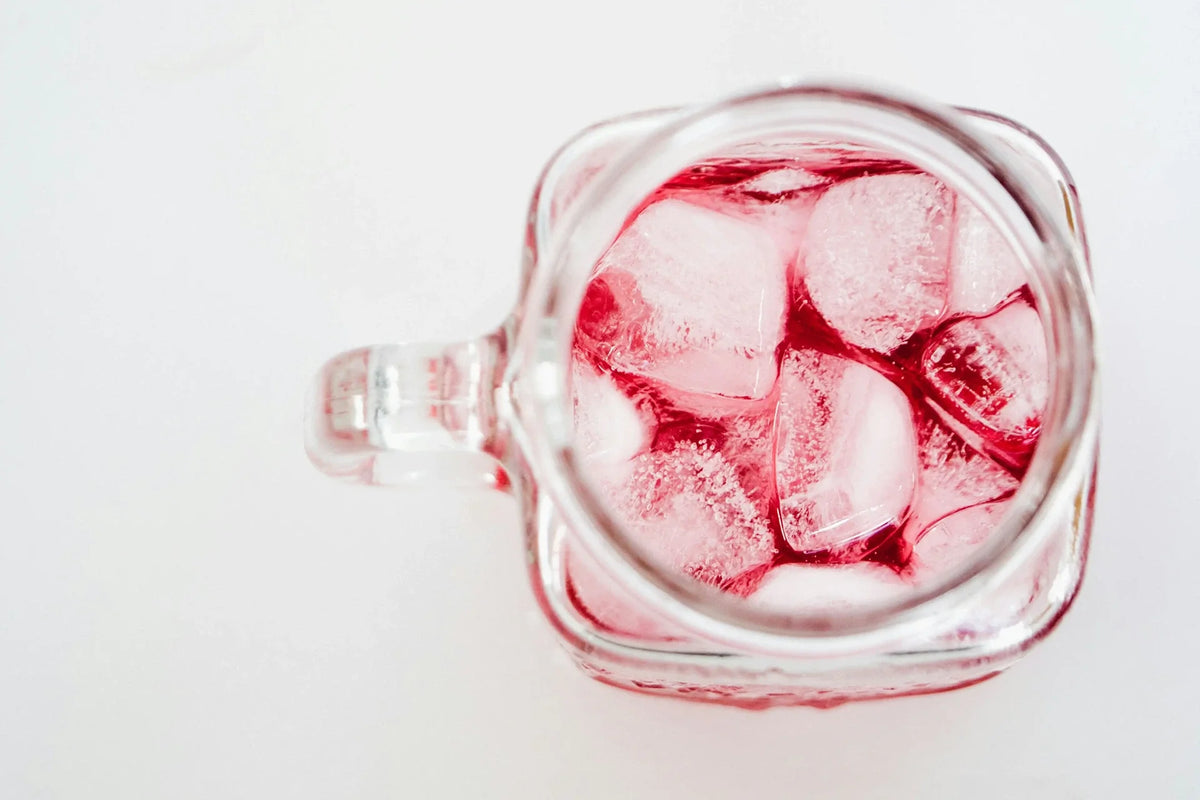
Temperature and infusion time vary according to the part of the plant: more delicate flowers and leaves call for water at around 90ºC-95ºC and five to seven minutes; roots and seeds, more resistant, take boiling water and infusions of eight to ten minutes. On warm days, the same tisane can be drunk cold, as we explain in the article on iced tisane in summer.
TEAS
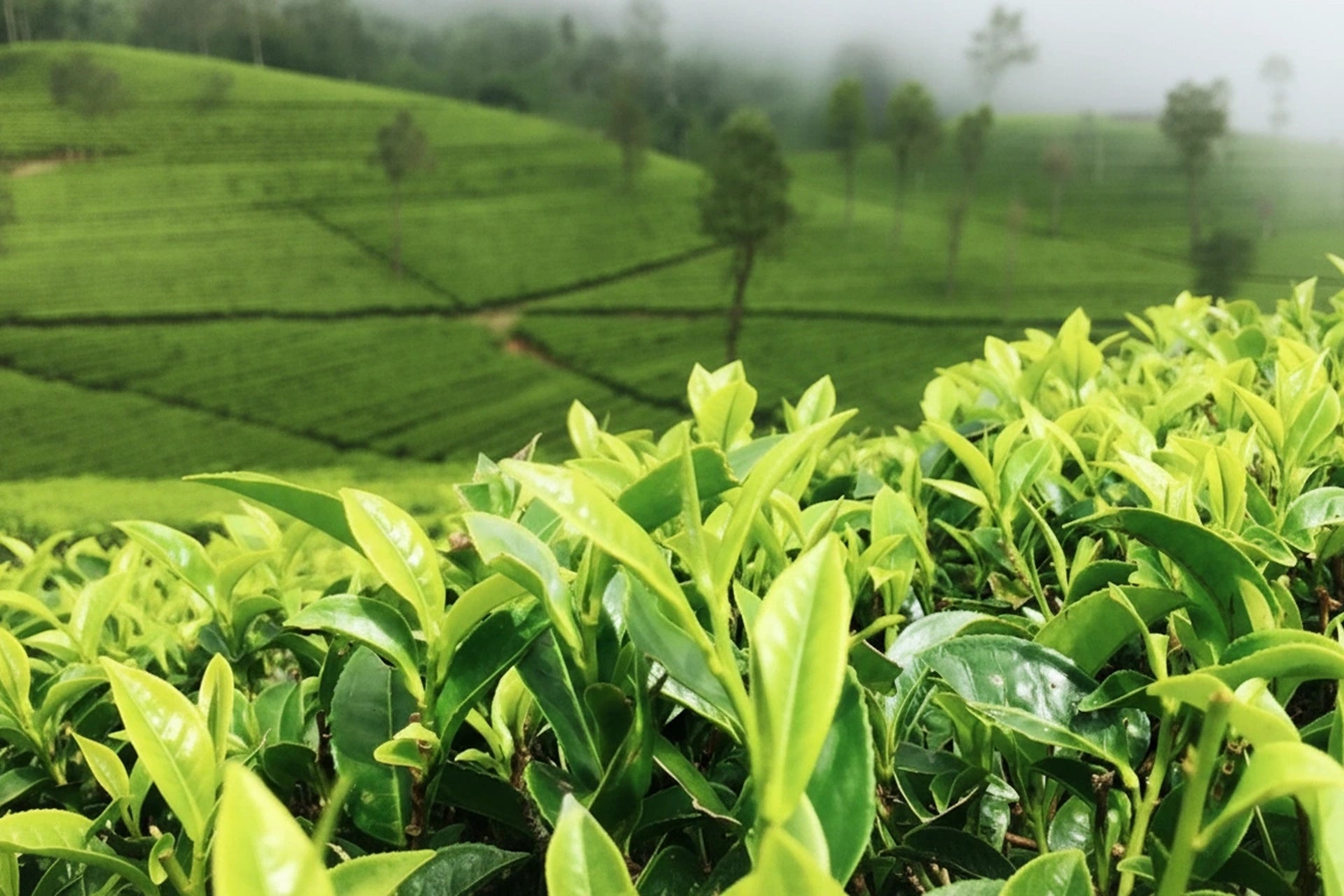
Origin: the whole diversity of teas (white, green, oolong, black) comes from the same plant, Camellia sinensis. What changes is the production process, not the plant.
Production process: the leaves undergo different degrees of oxidation and drying, which gives rise to the various varieties.
Theine: it is always present, an alkaloid with a stimulating effect similar to that of caffeine. As a rule, the more oxidised the tea, the more theine it holds.
Benefits: rich in antioxidants, with the energising effect of theine.
There is a difference few brands mention, one that applies to tea as well and makes a real difference in the cup: whole leaf versus ground leaf. Ground leaf releases its compounds too quickly, losing aroma and gaining bitterness. Whole leaf releases them gradually, and that is why at TISANIUM we never grind the plants in our tisanes.

FREQUENTLY ASKED QUESTIONS
Does tisane contain theine? In most cases no, or only in minimal amounts, unlike tea, where theine is always present.
Is a tisane the same as an infusion? More or less: "infusion" is the process (hot water over the plant); "tisane" is the name of the result of that infusion when the plant is not Camellia sinensis.
What is the difference between tea and tisane? Tea always comes from Camellia sinensis; a tisane can come from any other plant, leaf, flower, fruit, root or seed.
CHOOSE WITH CONFIDENCE, CHOOSE TISANIUM