
DIFFERENCES BETWEEN TISANES AND TEA
Teas or Tisanes? What's the difference?
Did you know that not all infusions are tea?
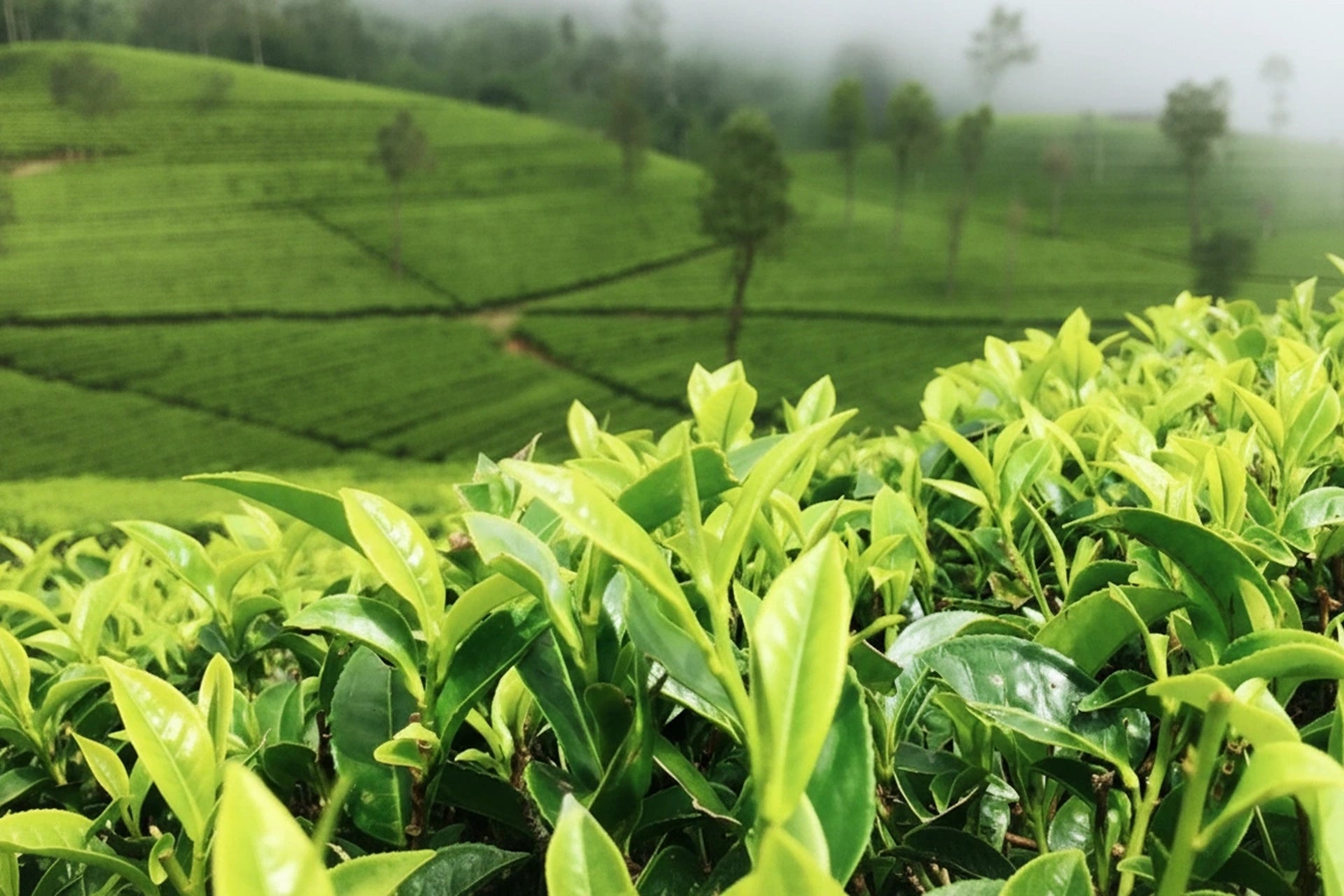
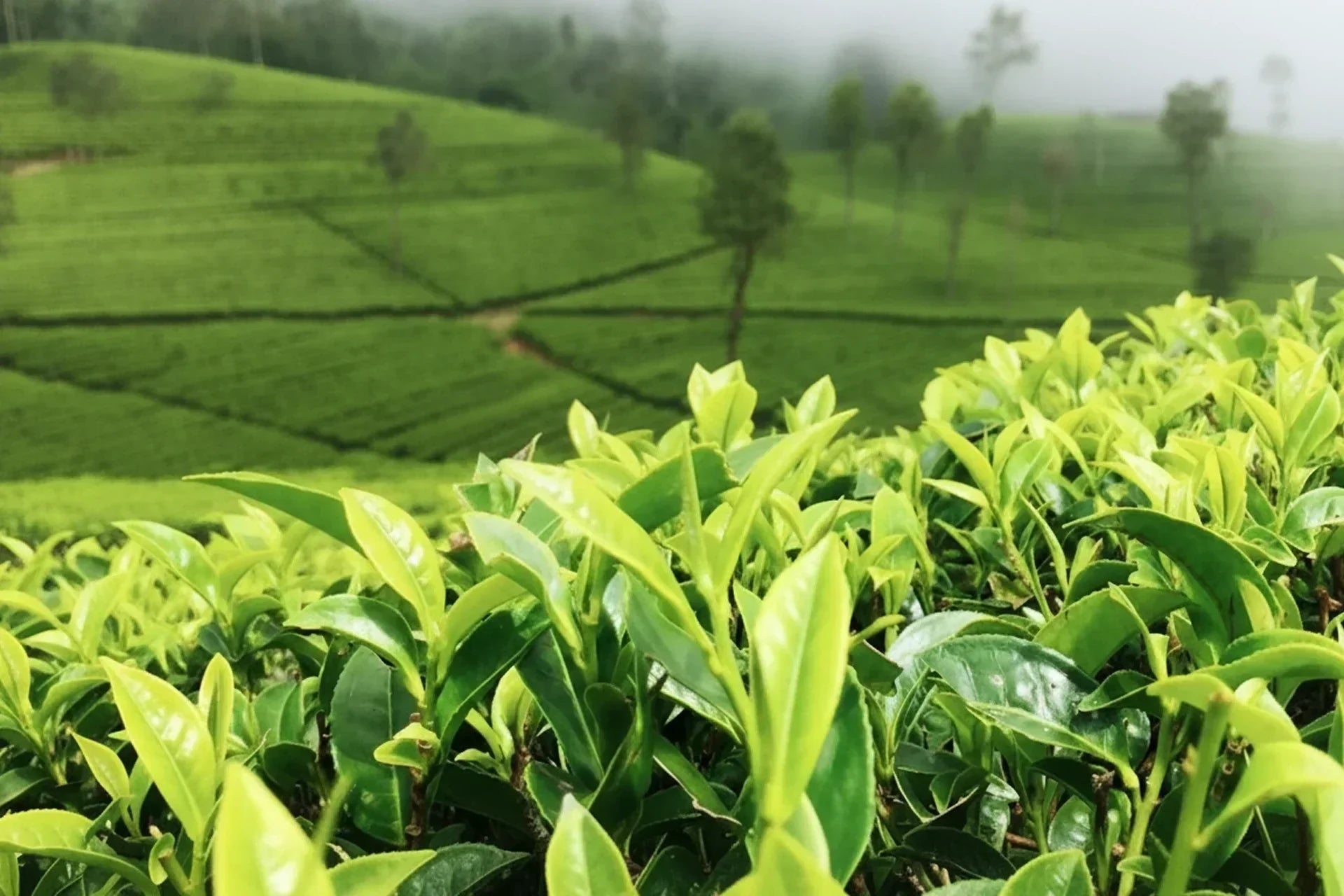
Although it is common to use this term for any herbal infusion, the distinction is clear: only the leaves of Camellia Sinensis give rise to true tea.
Many of the infusions consumed daily, such as chamomile, mint, rooibos, or ginger, are actually tisanes/herbal teas. So when you say you're drinking chamomile tea or lemon verbena tea, you're actually drinking a chamomile herbal tea or a lemon verbena herbal tea.
Wasn't that clear? Don't worry, let's explore the differences further:
Tisanes
Origin: Herbal teas are prepared from a multitude of plant parts (leaves, fruits, flowers, seeds or roots), each with its own characteristic properties and flavors.
Production process: The plants are harvested, dried and, in some cases, cut or crushed (at TISANIUM we do not crush plants). Some herbal teas may also undergo additional processes, such as roasting or fermentation, to enhance their own flavors and aromas.
Theine: Most herbal teas (~95%) do not contain theine or have minimal amounts. However, some exceptions, such as yerba mate, are rich in theine.
Health benefits: Herbal teas have a wide range of health benefits, depending on the plant used, such as calming, digestive, anti-inflammatory and even energizing properties.

TEAS
Origin: All the diverse types of tea (white, green, oolong, black) originate from the Camellia Sinensis plant. The variation in tea types is caused by different production processes and not by a change in the base plant.
Production process: The leaves of Camellia sinensis undergo several oxidation and drying processes, resulting in the various varieties of tea (white, green, oolong, black).
Theine: Theine is unavoidable and present in all varieties of tea; it's an alkaloid that has a stimulating effect similar to caffeine. The amount of theine is determined by the type and processing time of the tea. As a general rule, the more oxidized the tea, the more caffeine it contains.
Health benefits: Rich in antioxidants and energizing due to the presence of theine.